
2026: 28 Keam St Ivanhoe East
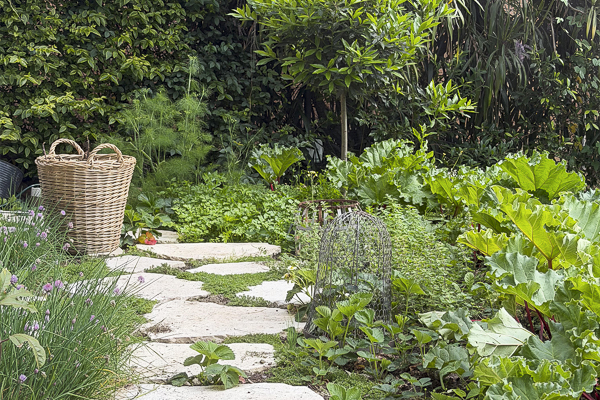
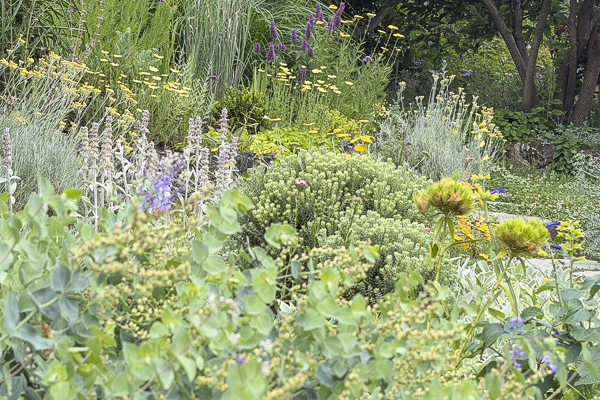
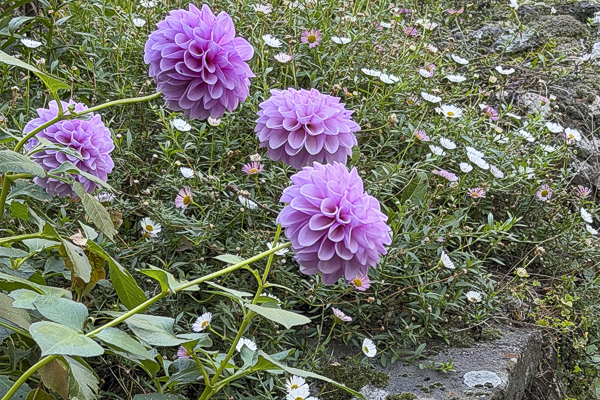
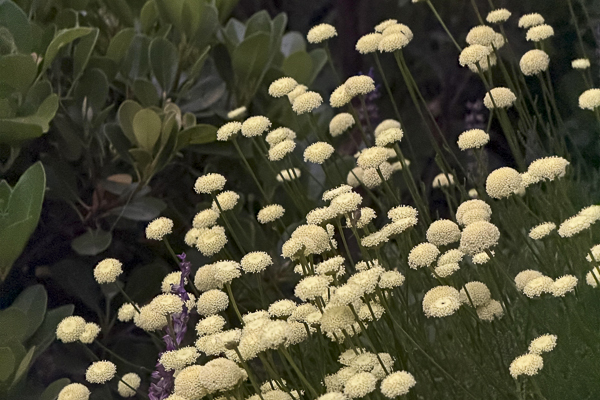
Situated on a sloping 1003m² property in Ivanhoe East, the grounds encompass a variety of garden types and spaces. Each area offers its own experience and planting palette as you move from the front of the property down to the rear.
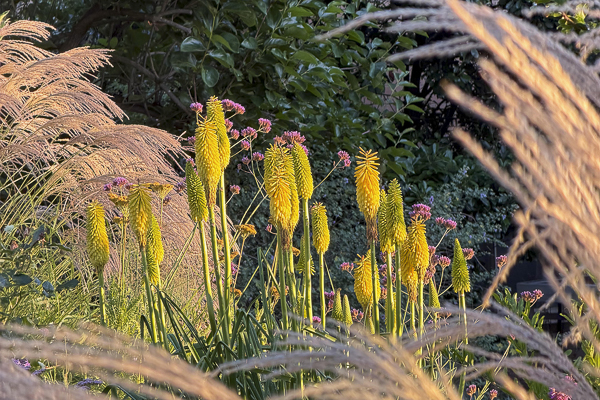
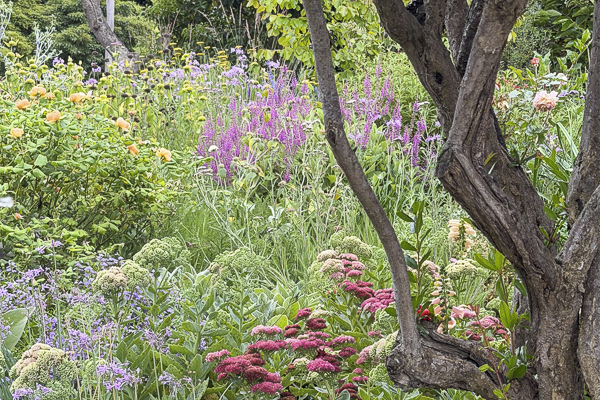
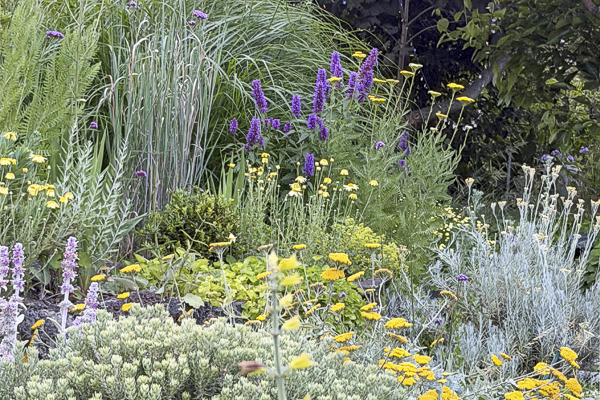
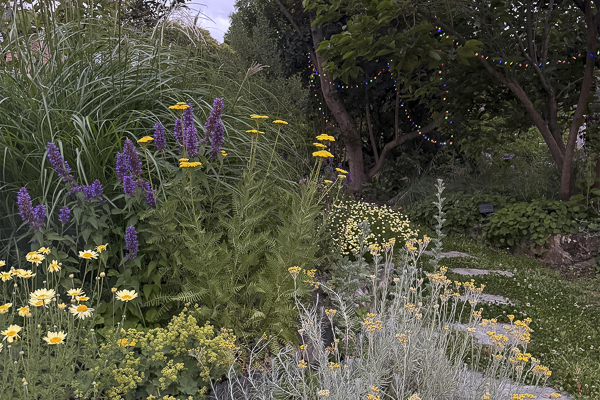
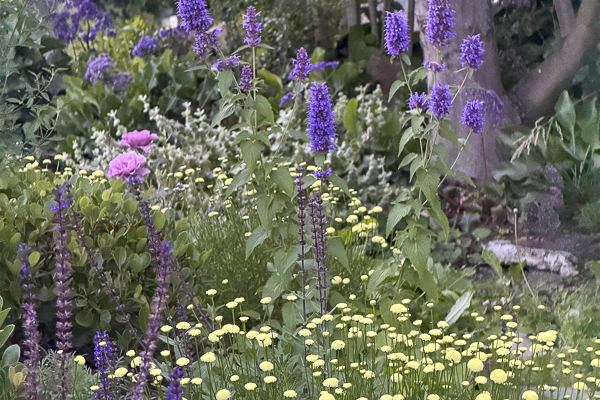
The west-facing front garden features a large blend of drought-tolerant, native and exotic flowering perennials. It’s intended to bring beauty and life not only to the home but also to the street and the act of gardening here has sparked many conversations with passing neighbours, always keen to chat about life and plants.
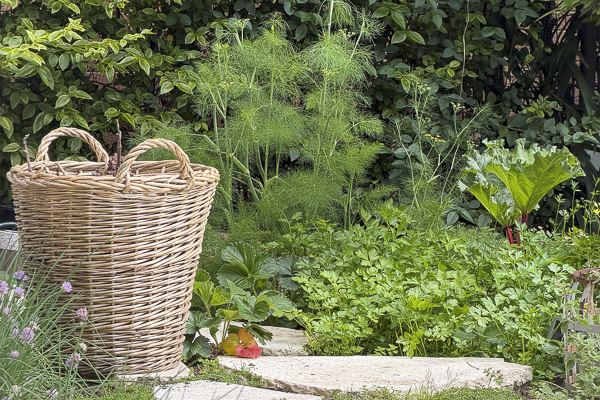
The rear mid-section of the property is home to the upper edible garden. It includes a beautiful fig tree, an espaliered lemon tree, a swathe of rhubarb, and a mix of edibles including strawberries, oregano, feijoa, kale and seasonal herbs.
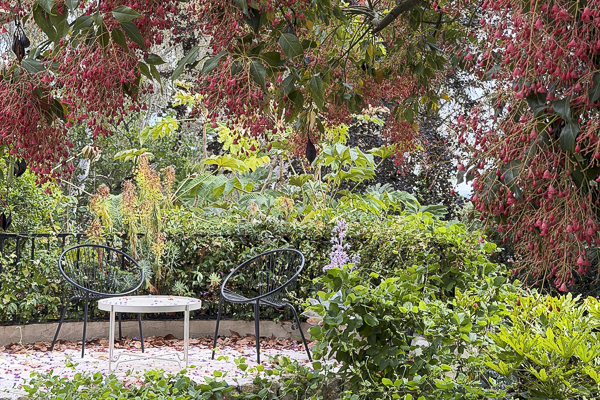
A mature Brachychiton tree creates a true focal point within this space, particularly for the area’s bird life when it is in flower. Estimated to be around 80 years old, it puts on a spectacular display of red bells each December, drawing many Currawongs and King Parrots amongst others, their plumage contrasting with the vibrant colour of the tree itself. It’s underplanted with a mass planting of Kennedia, and the adjacent beds contain a blend of green foliage plants.
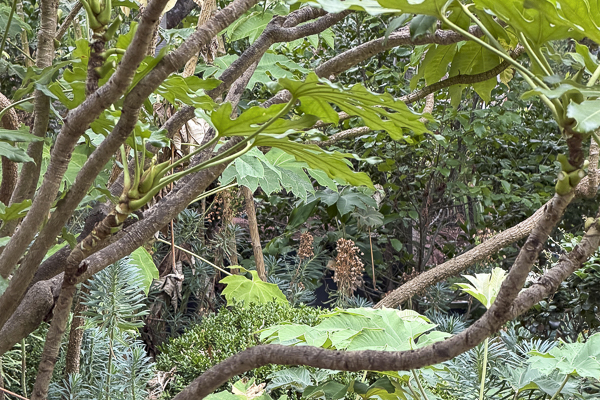
The lower lawn is accessed by a winding ramp or stairs, alongside a copse of Tetrapanax. The lawn beds include a mix of foliage shrubs Smoke Bush, Saltbush, Salvia, Euphorbia, Acanthus and Oak Leaf Hydrangea. It is worth noting the openness of the site and surrounds. Low open fencing to all three sides, creates an expansive feeling beyond the title boundary.
At the lowest level of the property, we’ve developed a grey native garden with a seating area. This gravel space is surrounded by a soft blend of Poas, Eucalypts, Banksias and Westringias a great spot to watch the birds bathing in the birdbath.
Alongside this sits the chicken coop, raised edible beds and compost stations. The brick-and-tile coop structure, once covered in ivy and in a state of disrepair, has been brought back to life and extended with a built, open outdoor run for the wellbeing of the flock, currently six hens strong.
We’ve found the “no dig” approach invaluable in the rear garden. Weeds are suppressed by layers of newspaper, topped with homemade mulch and leaf litter generated on site.